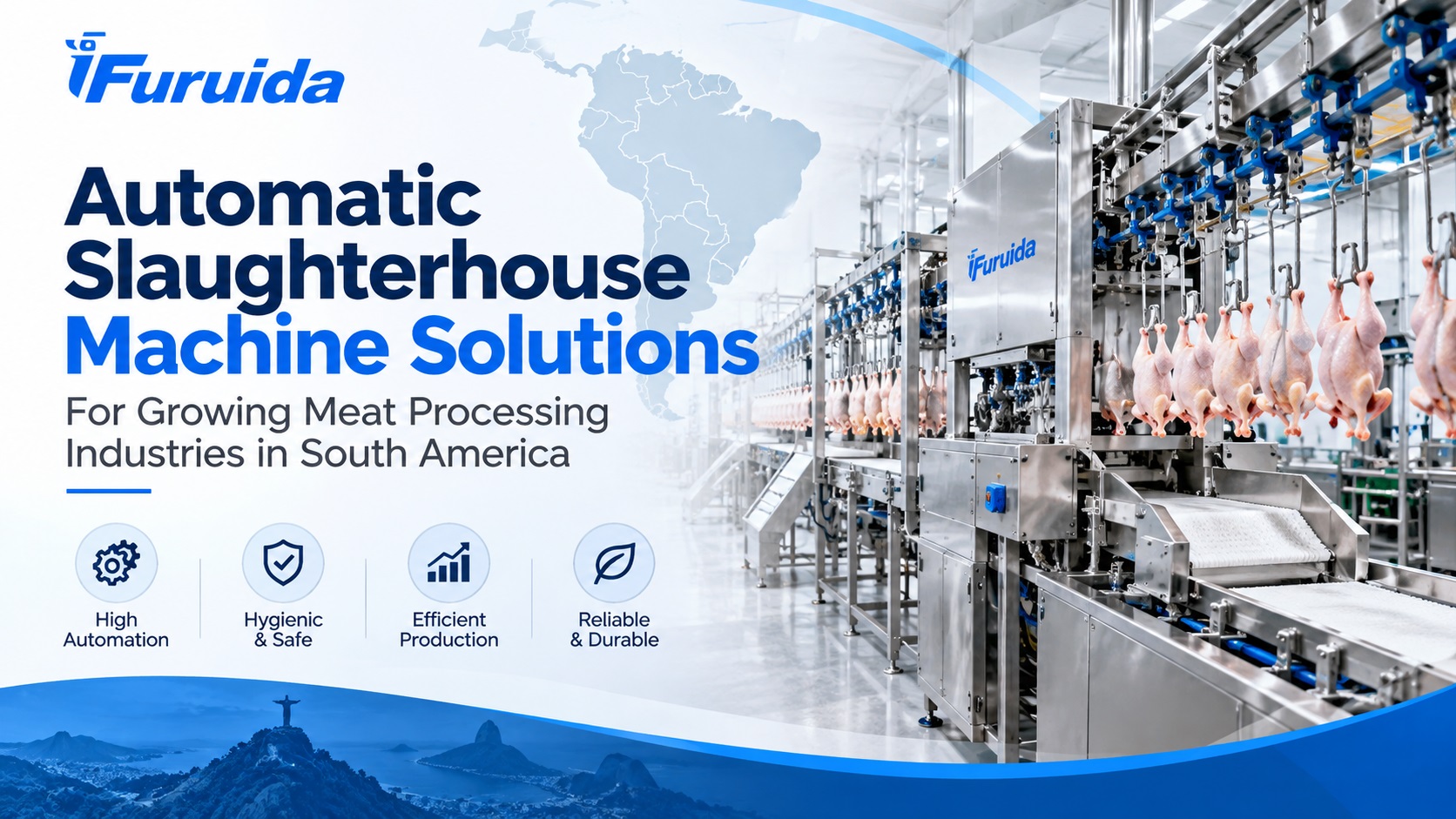
Automatic Slaughterhouse Machine Solutions for Growing Meat Processing Industries in South America
South America has a large meat processing industry. It is supported by strong livestock and poultry production. Demand is also growing in local and export markets. As plants grow, many operators want to increase output without depending only on manual labor.
This is where automatic slaughterhouse machine solutions in South America can help. Automated equipment can improve the production flow and reduce manual handling. It can also support better hygiene and more consistent processing. The right machines can help growing plants expand more easily in the future.
This guide explains automatic slaughterhouse machines in simple terms. It covers their benefits, how to choose the right equipment, setup challenges, supplier selection, maintenance, and future trends in South American meat processing.
What Are Automatic Slaughterhouse Machine Solutions?
Automatic slaughterhouse machine solutions in South America are machines and full systems that help automate parts of animal slaughter and meat processing. They reduce the need for workers to do every task by hand. The machines carry out repeat tasks with set speed, timing, and motion.
The level of automation can vary. A plant may use one machine for a single task or install a full line with many linked machines. The line may handle slaughter, bleeding, scalding, plucking, evisceration, carcass flow, cutting, weighing, and sorting. The best setup will depend on the type of animal and the plant’s output needs.
How Automatic Slaughterhouse Machines Work
A modern processing line follows a clear order. Animals first enter the handling area. They then move through slaughtering and dressing. After that, they may go to chilling, cutting, weighing, sorting, or packaging.
Conveyors move products from one machine to the next. This reduces manual handling and helps the line run smoothly. Sensors and control systems help workers track production. They also help keep each step on schedule.
The right setup depends on the type of animals the plant processes. Poultry, pigs, cattle, and sheep all need different equipment. For this reason, slaughterhouse machinery for meat processing should match the plant’s process. It is better to choose equipment based on actual needs than to buy a standard package.
Why South American Meat Processing Industries Are Adopting Automation
Growing meat processors need more than extra space. They also need machines that can handle more work while keeping production safe, clean, and steady. Many processors are investing in automated meat processing equipment for these reasons:
- Higher production: Automated machines can move products faster and keep the work area organized.
- Less manual work: Machines can handle repeated tasks. Workers can then focus on checks, supervision, and other important jobs.
- Better hygiene: Machines can reduce the amount of direct hand contact with meat.
- More consistent results: Machines can repeat the same task in the same way during each production cycle.
- Export needs: Plants that serve local or overseas markets need reliable equipment and strong quality control.
- Future growth: Modular machines and complete processing lines make it easier to increase capacity later.
Because of these benefits, many processors see industrial slaughterhouse equipment as a long-term investment. It is not just another production cost.
Key Automatic Slaughterhouse Machines Used in Modern Processing Plants
The right equipment depends on the animal type, plant size, layout, and processing method. Common systems include the following.
Animal Handling and Stunning Equipment
The process starts with safe and controlled animal handling. Handling systems move livestock through the slaughter area. Stunning equipment is used before slaughter and must follow local operating and animal welfare rules.
Good handling equipment keeps the workflow organized. It also reduces unnecessary movement in the processing area.
Bleeding Systems
After stunning and slaughter, bleeding systems help control the flow of carcasses. Automated and assisted systems keep the process steady. They also reduce the need for manual handling.
Skinning or Dehairing Machines
The dressing process depends on the type of animal. Skinning machines remove hides from cattle, sheep, and other suitable animals. Dehairing machines remove hair from pigs.
These machines work after slaughter and before the next dressing steps. They help keep the production line moving smoothly.
Evisceration Equipment
Evisceration removes the internal organs from the carcass. This step needs careful handling because hygiene and product quality are very important.
Automatic or assisted evisceration machines can reduce repetitive work. They also help keep the processing line moving at a steady pace.
Carcass Splitting Machines
Carcass splitting machines cut carcasses into sections for further processing. These machines can work faster and more evenly than manual cutting.
Choose a machine that matches the animal type, cutting needs, and production speed of the plant.
Meat Cutting and Portioning Machines
After slaughter and dressing, meat is cut into smaller pieces. Cutting and portioning machines prepare meat for processing or sale. These automatic meat processing machines help produce even cuts and keep production moving.
Conveyors and Transfer Systems
Conveyors move meat between machines and work areas. They help keep the production line running smoothly. Good material flow is important because one slow step can affect the whole line.
Cleaning and Sanitation Equipment
Processing plants need regular cleaning. Cleaning equipment, wash-down systems, and hygienic machines help workers keep the plant safe and clean. They also help the plant meet food safety rules.
Automated Weighing and Sorting Systems
Weighing and sorting systems measure products and place them into groups. They can sort products by weight, size, grade, or other features. These systems reduce manual work and help operators track production.
Benefits of Automatic Slaughterhouse Machine Solutions in South America
Automatic slaughterhouse machine solutions in South America can do more than speed up production. The right system can help a plant work better, stay clean, and grow over time.
- Higher production capacity: Machines can help process more animals when each part of the line works at the right speed.
- Lower labor needs: Workers spend less time on repeated tasks. They can focus on checks, supervision, and quality control.
- Better hygiene: Machines can reduce direct contact with meat. This can support cleaner handling when staff follow proper cleaning steps.
- More consistent results: Machines repeat the same tasks in a steady way. This helps keep the process more uniform.
- Safer work areas: Mechanical systems can reduce heavy lifting and other repeated physical tasks.
- Easier production control: Automated systems help staff track and manage each stage of the process.
- Room for growth: Plants can add machines or upgrade the line as demand grows.
- Better product tracking: Weighing, sorting, and monitoring systems can collect useful production data.
These benefits depend on choosing the right machines and installing them correctly. Staff also need proper training. The equipment needs regular maintenance, too. Automation alone does not guarantee better results.
How to Choose the Right Slaughterhouse Machinery
Selecting slaughterhouse equipment in South America involves more than comparing prices. Buyers should review the full production system before making a decision.
Processing Capacity
First, define the required production rate. Consider:
- Animals processed per hour
- Daily production volume
- Peak demand
- Number of work shifts
- Expected future growth
A machine may have a high stated capacity, but it will not increase total output if another part of the line works more slowly.
Meat Type and Processing Requirements
Equipment depends on the type of livestock and the processing method. Poultry plants need different machines from cattle, sheep, or pig processing plants.
Before requesting quotes from slaughtering equipment manufacturers, list every step in the production process. This helps suppliers recommend equipment that fits your plant, capacity, and product requirements.
Automation Level
Semi-auto machines can work well for small plants or sites that still use more handwork. Full-auto lines may be a better fit for large plants that need a steady flow and high output.
The best choice is not always the most auto setup. It should fit your plant size, work rate, staff, budget, and skill level.
Hygiene and Food Safety
Choose machines made for food plants and built with parts that are easy to wash. Steel parts that do not rust, open wash areas, good drains, and clean machine design are all key points.
Buyers should also check that the machines meet local food safety and clean-up rules.
Maintenance and Spares
Downtime is expensive if the machine that stops is critical to your process. Before purchasing, consider spare parts availability, maintenance procedures, instruction manuals, and post-sale support. A vendor who offers ongoing support is probably preferable to a company who only provides a low price.
Compatibility with Existing Machinery
New machinery must integrate well with your existing belts, cutting equipment, weighing systems, chilling rooms, and other plant equipment. Failure to do so can result in bottlenecks, more labor, and even costly retrofits.
Total Cost of Ownership
Do not judge automatic slaughterhouse machines by the purchase price alone. Also consider:
- Installation costs
- Energy use
- Maintenance
- Spare parts
- Staff training
- Possible downtime
- Cleaning needs
- Expected service life
A machine with a higher purchase price may still be the better choice. It may work more reliably and cost less to operate over time.
Future of Automatic Slaughterhouse Solutions in South America
The next step for automated slaughterhouse solutions will likely focus on better data and better links between machines. The goal is not to add more machines just for the sake of it.
Smart controls can help staff check machine use and output. Digital tools can also show how much meat the plant makes, when work stops, and how well each step runs.
Machines linked to the internet may share data with each other. This can help staff spot faults, check product quality, and make better choices. Energy use will also get more focus as meat plants seek to cut costs.
For growing meat plants, the main goal is a simple system in which staff, machines, and data work well together.
Conclusion
For growing meat plants, automatic slaughterhouse machine solutions in South America can help raise output, improve hygiene, keep workers safer, and make work more steady. The right machines can help plants handle more work and keep each step under better control.
Before you buy, check the line speed, level of auto work, type of animal, plant space, care needs, tech help, machine fit, and full cost. Look at the whole line, not just one low-cost machine.
Need good slaughterhouse gear for plant growth? Nanjing Furuida Equipment Co., Ltd. makes poultry slaughter, meat, food, and farm gear for plants in many parts of the world.
FAQs
1. What does Nanjing Furuida Equipment Co., Ltd. offer for meat processing businesses?
Nanjing Furuida supplies poultry slaughter equipment, meat processing machines, food processing equipment, and farm equipment. These products may help businesses improve or expand their processing operations.
2. What are the benefits of automatic slaughterhouse machines?
Automatic slaughterhouse machines can help plants work faster and more consistently. They can also reduce repetitive manual work, support better hygiene, improve production control, and handle larger volumes.
3. How do I choose the right slaughterhouse equipment for my processing plant?
First, identify the type of livestock you process and your target production capacity. Then consider the level of automation, plant layout, hygiene needs, maintenance support, spare parts, equipment compatibility, and future growth.
4. What factors affect the cost of automatic slaughterhouse machinery?
The cost depends on the machine type, production capacity, automation level, customization, installation, energy use, maintenance, spare parts, and the size of the complete processing line.