12 Key Steps for Chicken Slaughtering in a Slaughterhouse
Slaughtering chickens is a critical operation in the poultry industry, ensuring poultry are processed safely and effectively for consumption. Every operation in the slaughterhouse aims to maintain hygiene, comply with regulations, and minimize stress for the birds.
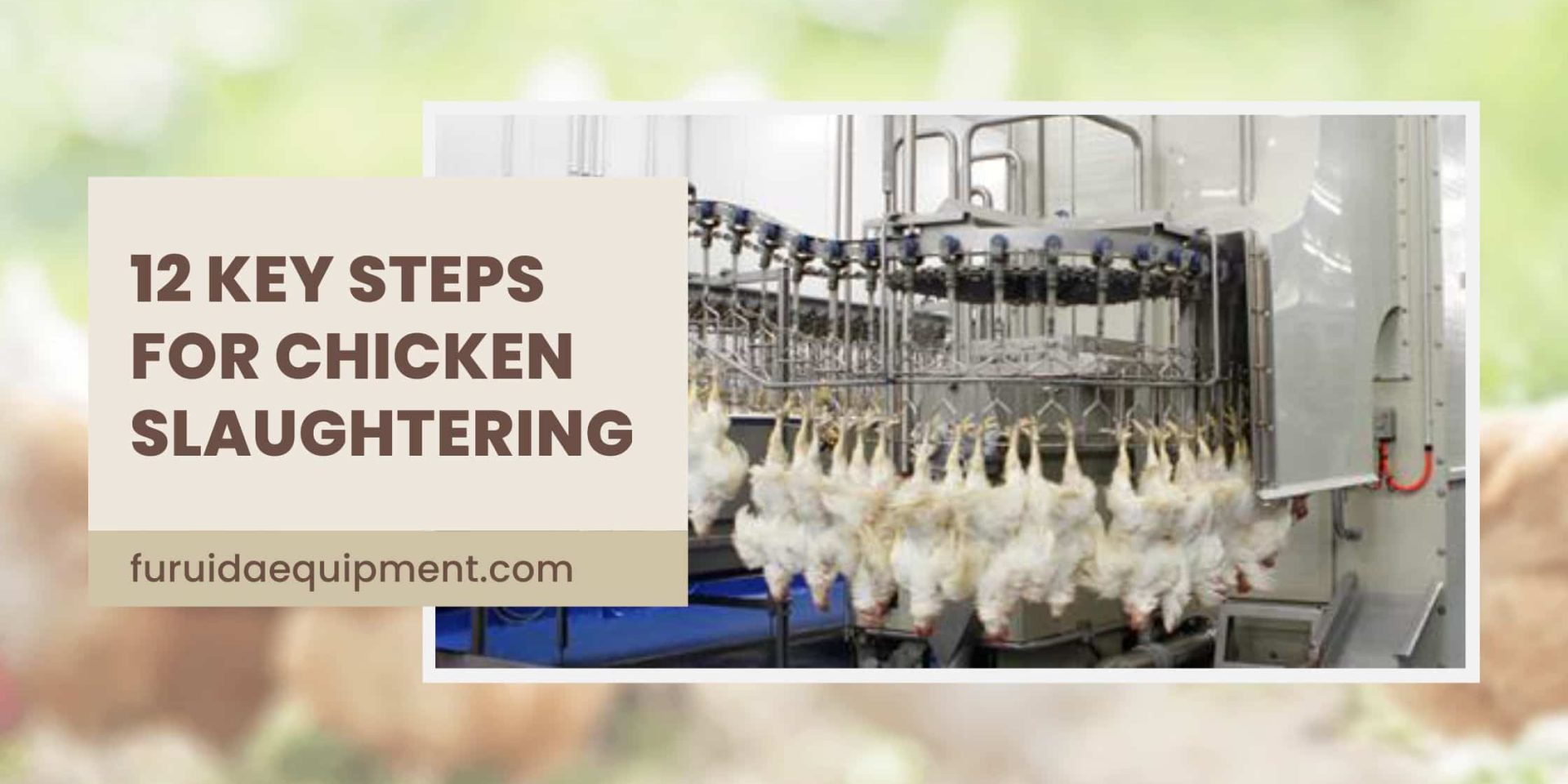
This blog will take you through the 12 key steps for chicken slaughtering in a slaughterhouse, showing how the process works from arrival to packaging.
What Is Chicken Slaughtering and Why It Matters
Processing live chickens into meat for consumption is called chicken slaughtering. It is not merely chopping the bird but with all the care, ensuring that all is neat and observing food safety measures. All the steps are aimed at minimizing the risk of contamination or germs and ensuring that the meat is safe and fresh. The quality of slaughter affects the meat’s taste and safety; proper handling produces flavorful and safe chicken.
How Are Chickens Slaughtered – An Overview
The question, how are chickens slaughtered is common, among consumers curious about food safety. In modern slaughterhouses, the process is carefully controlled, automated where possible, and follows these main stages:
- Arrival and inspection
- Humane stunning followed by slaughter
- Feather removal and evisceration
- Washing, chilling, inspection, packaging, and distribution
Each stage ensures both quality and compliance with food safety standards.
Key Steps for Chicken Slaughtering
Step 1: Bird Arrival and Reception
Upon being taken to the slaughterhouse, chickens are removed carefully out of the transport cage. Employees perform a pre-slaughter health inspection to identify diseased or stressed birds. Birds are then taken to the processing line with minimum handling stress.
Step 2: Handling and Conveying
Conveyor or hand-held systems are used to transport chickens without any harm. It is also necessary to reduce stress because agitated birds may influence the quality of meat. Proper handling ensures smooth processing along the line.
Step 3: Stunning
Birds are humanly stunned prior to slaughter in either electrical water baths or gas chambers. Birds are rendered unconscious to minimize pain, in compliance with animal welfare standards. This is an essential step considering the moral aspects as well as meat quality.
Step 4: Slaughter
Birds are stunned, followed by the cutting of the neck, on a one-by-one basis, or by mechanical means. Blood is drained quickly to maintain hygiene. Effective slaughtering will make the meat safe and of industry standard.
Step 5: Scalding
Defeathering is easier since chickens are soaked in hot water in order to loosen the feathers. The heat is significant, Excess heat can spoil meat, while too low temperature may not loosen feathers properly.
Step 6: Feather Removal
Defeathering machines are used to strip the feathers in an effective way. The operators ensure the carcass is clean, inspected, and free of feathers. This measure also lowers bacteria contamination.
Step 7: Evisceration
Evisceration is the amputation of internal organs. The current systems utilize automation coupled with keen human inspection as a sign of hygiene. Evisceration is performed carefully to prevent contamination of the meat.
Step 8: Washing and Cleaning
Once they have been eviscerated, the carcasses are rinsed with water to eliminate blood, debris, and pathogens. Strict food safety criteria are observed using clean water and approved sanitizers. This is an important step preceding chilling.
Step 9: Chilling
Chilling is used to quickly lower the temperature of chicken so that bacteria cannot multiply. These are ice water baths or air chilling, these methods help extend shelf life and preserve meat quality.
Step 10: Inspection and Quality Control
Carcasses are inspected by trained staff, both visually and manually, to identify defects or contamination. Hygiene and safety are upheld to the highest standards by regulatory standards. This measure will ensure the consumers receive high quality products only.
Step 11: Packaging
Packaged chickens are labeled, sealed, and distributed to retail or wholesale markets. The packaging helps to preserve the meat against contamination and is also easier to handle.
Step 12: Storage and Distribution
Then, finally packaged chickens are refrigerated and delivered to retailers or restaurants. Cold-chain management ensures the product remains safe and fresh.
Compliance and Food Safety Standards
All slaughterhouses are well sanitized and monitored. Consumer safety is achieved by adherence to regulations such as HACCP. The hygiene of the employees, as well as the sterilization of the equipment, and record-keeping standards, also build trust and accountability.
Conclusion
These 12 steps for chicken slaughtering in a slaughterhouse will make the process safe, hygienic, and properly structured. The quality of the equipment used and correct procedures ensures quality output.
FAQs
Q. How long does the chicken slaughtering process take?
A. From arrival to packaging, it typically takes a few hours per batch, depending on the size of the facility.
Q. Are chickens stunned before slaughter?
A. Yes, humane stunning is standard practice in modern slaughterhouses to minimize pain.
Q. Why is chilling important in chicken processing?
A. Chilling prevents bacterial growth and extends the shelf life of the meat.
Q. Can slaughterhouses ensure 100% hygiene?
A. While perfection is challenging, strict compliance with food safety standards and quality control ensures high hygiene levels.