7 Key Advantages of Chicken Deboning Machines in Poultry Processing
Deboning machines are essential equipment introduced into the poultry production industry to address growing operational challenges. Current poultry processing requires high speed, high hygiene standards, product consistency, cost-effectiveness, workforce shortages, and increased production costs.
Although traditional manual deboning is time-consuming and labor-intensive and can lead to inconsistencies, automation is crucial. The introduction of chicken deboning machine into processing lines can help poultry businesses to achieve a high level of efficiency, safety, and profitability.
In this blog, we’ll explore 7 key advantages of chicken deboning machines and why they are a smart investment for poultry producers of all sizes.
What Are Chicken Deboning Machines?
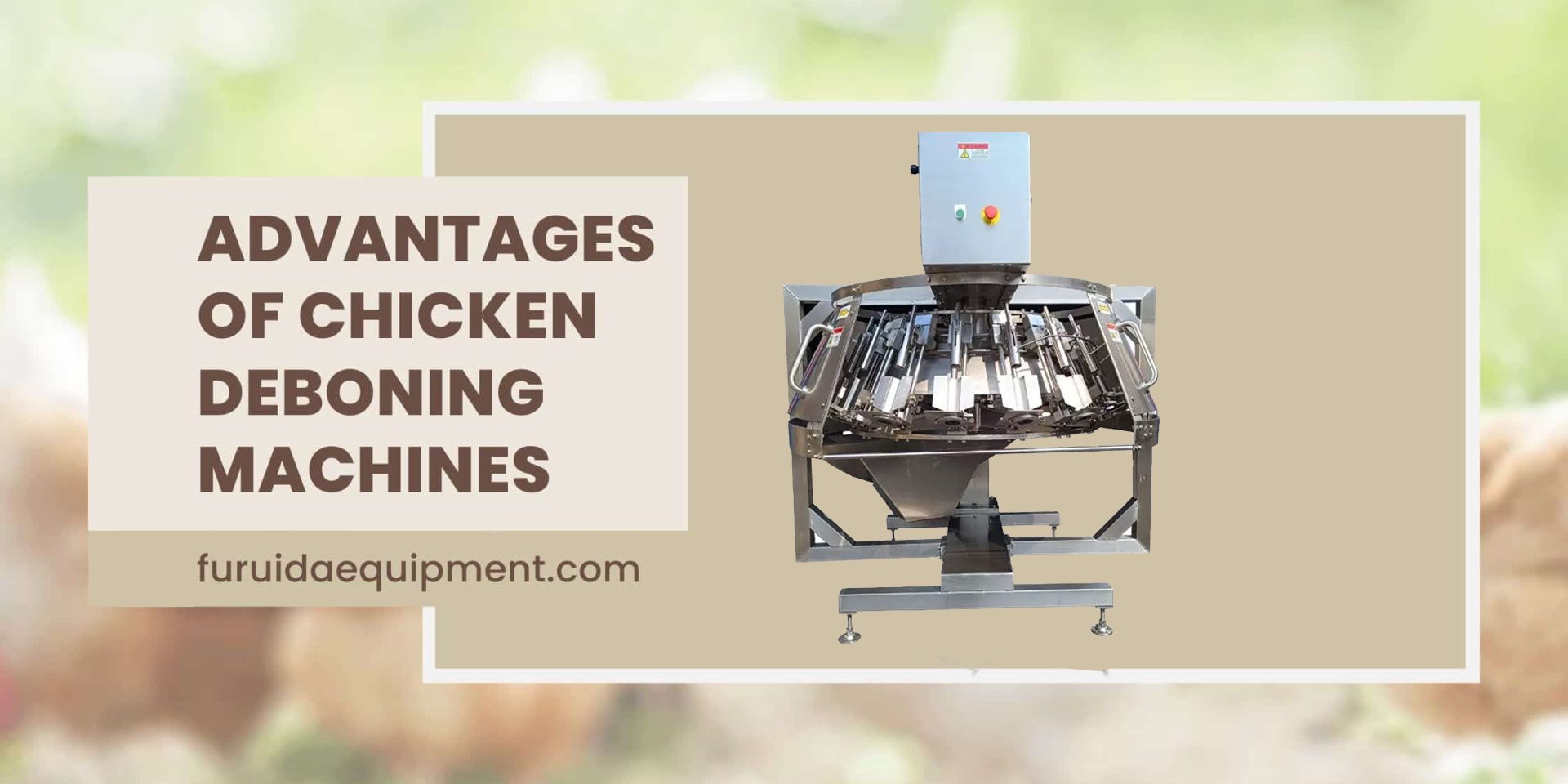
Chicken deboning machines are special poultry processing machines that are used to automatically cut meat and bones apart with high accuracy and speed. Depending on the configuration, these machines handle different parts of the chicken, such as breast, thigh, drumstick, and wings.
They are widely used in commercial poultry plants to:
- Reduce manual handling
- Improve yield accuracy
- Maintain consistent product standards
How Chicken Deboning Machines Work
Chicken deboning machines operate using a combination of:
- Mechanical cutting systems
- Precision-guided blades
- Controlled pressure and alignment mechanisms
The chicken pieces are placed into the machine, where calibrated sensors and tools strip the bones while leaving as much meat as possible. The process reduces damage and waste, and ensures repeatable results at high production volumes.
7 Key Advantages of Chicken Deboning Machines
Chicken deboning machines offer various key advantages that help poultry producers improve processing speed, maintain consistent meat quality, and reduce overall operating costs.
1. Increased Processing Speed
The speed of chicken deboning machines is higher compared to manual labor. They do not slow down to remove bones; they do this automatically and hundreds or even thousands of chicken pieces can be processed per hour. These machines do not require numerous workers to perform tasks that previously took hours, helping businesses achieve daily production targets with ease.
2. Consistent Meat Quality
Such machines provide consistent quality of cuts. The processing of each piece of chicken is done in a balanced manner and this minimizes error and uneven trimming. This uniformity is particularly crucial for branded and exported products, where consistent size and appearance help retain consumer confidence and ensure quality control.
3. Reduced Labor Costs
Deboning machines are used to debone chicken and this saves the manual work. This reduces employment, training and expenses. Employees can do any other tasks, while machines efficiently perform repetitive work, resulting in cost savings over time.
4. Enhanced Hygiene and Safety
Automated deboning will reduce physical contact with uncooked chicken. This lessens the chances of contamination and enhances food safety in general. It also reduces the risk of injury through repeated cutting creating a safer, cleaner working workplace.
5. Minimized Meat Waste
Chicken deboning machines cut meat and bones with a lot of precision. This will aid in retrieving more meat that can be utilized and also minimize waste that is not necessary. Through improved yields, poultry producers can achieve higher returns from the same amount of raw material.
6. Easy Integration with Poultry Processing Lines
These machines are made to fit in the poultry processing systems that are already in place. They integrate with other equipment and help with automated processes. This assists in minimizing delays and on-time running of production.
7. Scalability for Growing Businesses
There are various capacities and sizes of chicken deboning machines. Small firms have the option of starting with simple models and upgrading them when the demand increases. This enables them to be a best option among the poultry farmers who intend to expand in the long-term.
Maintenance & Hygiene Guidelines
Proper maintenance is essential to keep chicken deboning machines running smoothly and prolong their lifespan. The removal of meat residual and avoidance of bacteria accumulation are achieved by cleaning the machine on a daily basis after production.
Blades are to be inspected frequently and changed when necessary in order to cut clean and accurately. Moving parts must also be lubricated regularly to ensure the machine operates smoothly and without damage.
It is also necessary to follow food-grade sanitation standards. The machine is regularly maintained to be safe, hygienic and reliable. It also helps maintain consistent meat quality while complying with hygiene regulations and inspection standards.
Conclusion
Chicken deboning machines are fast, precise, hygienic, and cost effective. With consistent quality, reduced labor dependence, minimized waste, and scalable expansion, they have become the best choice for modern poultry processing.
Investing in chicken deboning machines is a strategic step for poultry producers who want to remain competitive and future-ready. Furuida Equipment are urging poultry businesses to consider automation and look at solutions that will support their production objectives and expansion strategies.
FAQs
Q. What is the capacity of a chicken deboning machine?
A. Most chicken deboning machines can process hundreds to thousands of chicken parts per hour, depending on the model.
Q. Are chicken deboning machines suitable for small poultry businesses?
A. Yes, compact and semi-automatic models are available for small and medium poultry producers.
Q. How much maintenance do chicken deboning machines require?
A. They require regular cleaning and basic inspections and machines are easy to maintain.
Q. Do chicken deboning machines damage meat quality?
A. No, they improve consistency and reduce meat loss compared to manual deboning.
Q. Is operator training required?
A. Yes, basic training is needed, but the machines are simple to operate.